
NBA trade season is officially here.
With December 15 behind us, the vast majority of players around the league are now eligible to be moved, and the sprint to the February 5 trade deadline has begun. Every team is evaluating its options, and the Toronto Raptors are no different.
For Toronto, the question is simple: How good is this team, really. Aaron Rose gives his hot take.
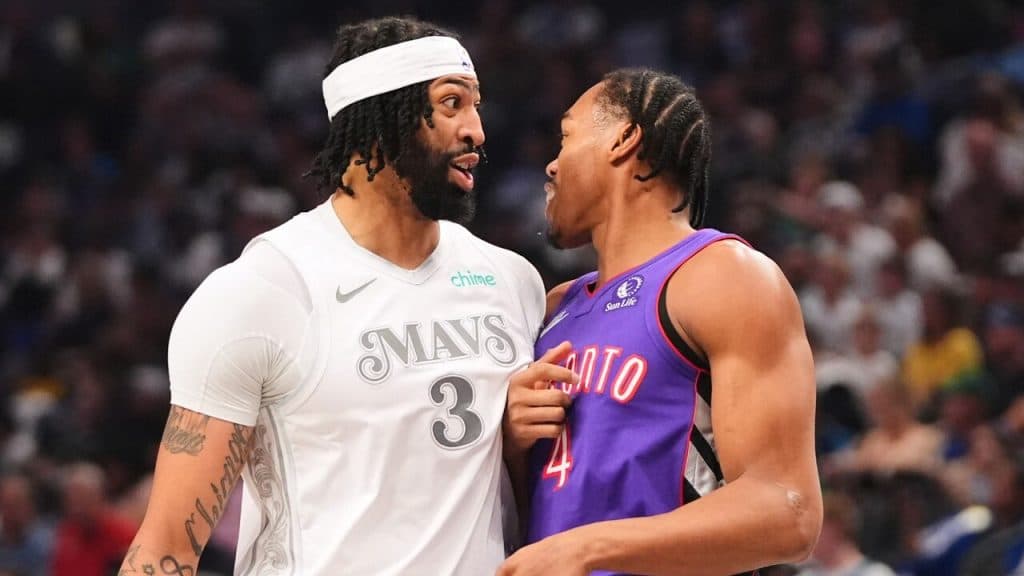
The Raptors have been better than expected to start the season. It has been uneven, with stretches of excellent basketball followed by moments that have exposed real limitations. Still, in a clustered Eastern Conference, Toronto looks like a playoff team. Not a contender, but good enough to be in the mix most nights and good enough to force difficult decisions at the deadline.
That is what makes this trade season so interesting. The Raptors are not positioned to tear things down, and they are not one move away from a championship. They sit somewhere in between, with flexibility, draft capital, and a roster that has clear strengths and equally clear flaws.
So the debate is not whether the Raptors will make a move. They will. The debate is how aggressive they should be, what kind of move makes sense, and whether chasing a headline name helps this group more than it hurts it.
The Superstar Temptation
Every trade season brings star names to the surface, and this year is no different. Giannis Antetokounmpo. Anthony Davis. Even whispers around players like Trae Young, Ja Morant, or LaMelo Ball are enough to pull the Raptors into the conversation. Toronto has draft picks. They have flexibility. And they have shown just enough progress to make the idea feel plausible.
But that does not mean a deal of that magnitude is wise.
This version of the Raptors is not one piece away. Any serious pursuit of Antetokounmpo would almost certainly begin with Scottie Barnes and cost Toronto its depth and future assets. Even if a deal could be justified on talent alone, the Raptors would still face an uphill climb in the East with a thinned roster and little margin for error.
Davis presents a different kind of risk. He is older, more injury prone, and approaching another massive contract extension. While he would raise the defensive ceiling, the cost would leave Toronto overly dependent on Davis and Brandon Ingram staying healthy, with an overall ceiling that still falls short of true contention.
Big swings are always tempting. For the Raptors, the smarter move this trade season is knowing when not to make one.
A More Realistic Need
If the Raptors are going to make a move, it is far more likely to be a practical one. Toronto could really use a backup centre, especially with Jakob Poeltl managing his back and the team consistently struggling on the glass against size.
History offers a strong clue. The Raptors have traded for a soon-to-be free agent at each of the last five trade deadlines. That pattern suggests Toronto will once again look toward an expiring or near expiring contract rather than a long-term commitment.
There are several names that fit that profile. Brooklyn’s Day’Ron Sharpe has a team option for next season. Nick Richards in Phoenix could be available. Kevon Looney doesn’t seem like a long-term piece in New Orleans and has a team option for next year. Robert Williams III also fits the mold, offering rim protection if healthy and no long-term salary risk.
None of these players would radically redefine the Raptors, but adding a functional backup centre would address a clear weakness, protect Poeltl, and give Toronto a better chance to compete night to night without sacrificing flexibility or future assets.
Shedding Salary
The Raptors sit roughly $1 million over the luxury tax threshold, and it is virtually certain they will get below it before the season ends. Even finishing just $1 under the line matters. Teams above the tax not only pay penalties, they also miss out on end of season distributions that are worth millions of dollars across the league. Being on the right side of that line makes a massive difference.
With that reality in mind, Toronto is almost guaranteed to make a cost saving move before the trade deadline. The most likely candidates are Ochai Agbaji or R.J. Barrett. Barrett has been an important contributor, but the Raptors have shown no real urgency to lock him into an extension. Agbaji, meanwhile, has had a disappointing start to the season and is on an expiring deal that is easier to move.
This does not mean Toronto is tearing anything down. It means they are being financially responsible. Managing the tax is part of roster building, especially for a team that doesn’t have real championship aspirations this season.